AI Breakthroughs That Will Shape the Future of Technology
AI breakthroughs are more than just ‘hot’ stories on the internet; they are changing how we work, communicate, shop, and learn. If you are part of the growing number of people concerned about the pace of change, understanding these AI breakthroughs is essential to stay relevant and adapt to the future. In this article, we will identify the key innovations that are impacting both business and life in 2026 If so, then you are part of the growing number of people who are both excited about the advancement of technology and concerned about the pace of change in society. The weekly news cycle is filled with articles about machines that are smarter than humans, systems that process information faster than we can type, and tools that behave like people. It can be overwhelming. But let me tell you something: AI breakthrough products are more than just ‘hot’ stories on the internet; they are also changing how we work, communicate, shop, learn, and ultimately, how we think about our careers. I have spent time helping companies implement AI tools and I have seen first-hand how quickly experimental AI technologies become necessary for doing business. In this article, I will identify current AI breakthroughs and explain how these breakthroughs will impact your business and your life.
Generative AI Is Redefining Creativity
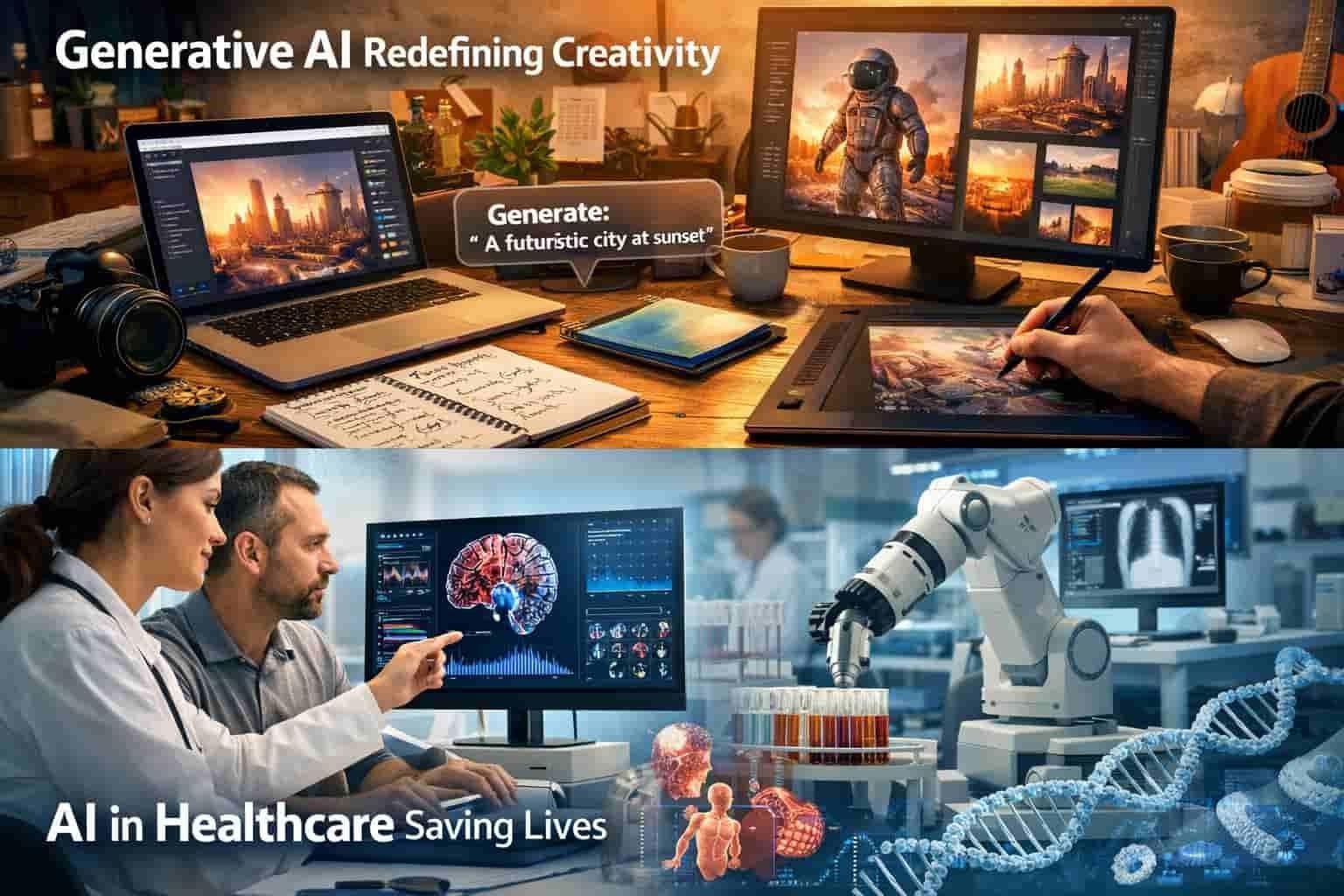
In the past couple of years, generative AI has proven itself to be one of the biggest visible breakthroughs in artificial intelligence. Tools that create text, images, music and even video are no longer considered experimental; they have become mainstream. You may know of or have used an AI tool to write an article, design graphics, or generate realistic images based on a simple text prompt.
The reason these breakthroughs are so powerful is because they not only automate creative tasks but also augment them. They do not replace what you already had; rather, they enhance them. For example, think about how much faster you could brainstorm by using a generative AI to produce your new ideas quickly, or how much more quickly you could develop a rough draft into a polished final product. This represents a true shift in the way creativity is developed and produced since it allows you to devote your time to developing strategy and originality while the computer takes care of all those repetitive and/or labor-intensive tasks for you. Generative AI is perfect for automating creative tasks. If you want to see how these tools drive revenue, read our guide on the Top 5 AI Tools That Will Change Your Business in 2026.
 As with any ground-breaking technology, there are definitely concerns about originality and job loss as a result of being replaced by generative AI. However, history has shown that new types of tools often create new types of jobs to replace those being replaced (i.e., cameras created photographers, video recorders created videographers, etc.). The same thing is occurring with generative AI and it’s easy to find examples of jobs being created due to its existence: Prompt Engineer, AI Editor, Content Supervisor, etc.
AI in Healthcare Is Saving Lives
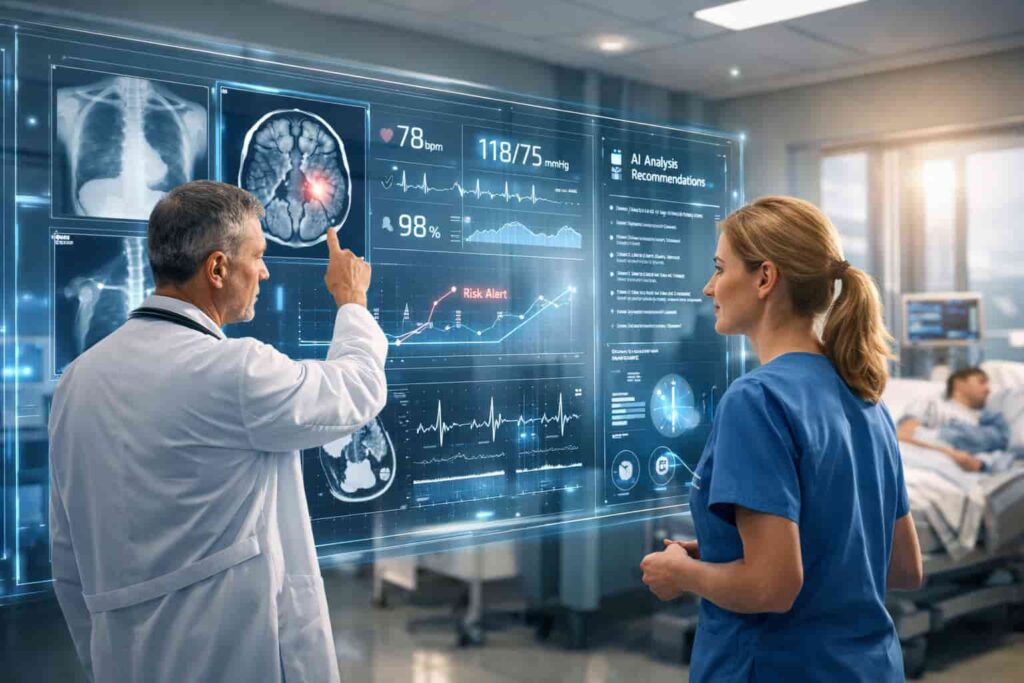
Many discussions around AI breakthroughs frequently center on healthcare. This is not by accident, as AI systems can swiftly analyze medical imaging data, reliably predict the likelihood of diseases occurring, and assist doctors in diagnosing medical issues much faster than traditional methods.
If you have had to wait weeks for test results in the past, then you know the feelings of frustration and anxiety that this can cause. AI breakthroughs in diagnostic imaging could drastically reduce your waiting time. Using machine learning, models can identify patterns associated with diseases in images of your body’s insides, which may not be apparent to your doctor.
Aside from medical imaging, AI is also supporting the process of finding new drugs. Researchers use AI technology to promptly test numerous potential compounds for drug development, as compared to the several years it typically takes by traditional methods. These breakthroughs do more than reduce costs; they provide life-saving alternatives to
many patients who could not have been treated successfully if they were only reliant on the current pace of developments in drug development. As the use of AI continues to expand across all areas of medicine, there will be fewer wait-times for treatment starts, increased access to personalized medicine, and improved patient outcomes.
Autonomous Systems Are Transforming Transport
Self-driving automobiles have long been perceived as something seen only in science fiction movies, but they are now being put through their paces all over the world and will soon become a reality. The advances being made in autonomous systems and artificial intelligence are redefining how you view mobility.
Today’s autonomous vehicles utilize multiple factors: Neural networks (a complex network of algorithms based on the human brain), multiple sensors, and real-time processing ability.
The end result will produce vehicles that have the capability of reading the environment, understanding traffic signs, and responding instantaneously when confronted with an obstacle.
While full autonomy (the ability to drive anywhere) has a long way to go still, many forms of autonomous vehicle are already on the roads, including delivery robots, autonomous trucks, and advanced driver assistance systems.
 These breakthroughs have much larger implications than simply making your life easier to live on a daily basis. Autonomous vehicles have the potential for reducing accidents caused by human error (the majority of all automotive accidents) by providing improved logistics (the way goods are transported and distributed) and reducing traffic congestion. Therefore, you will have safer roads to drive on, and you will receive your product deliveries quicker!
AI-Powered Cybersecurity Is Strengthening Digital Defences
Technology is constantly changing and so are cyber threats; however, AI Breakthroughs can provide immediate defense against cyber threats. Traditional cyber security systems typically react to known threats, whereas AI systems identify unusual behaviour patterns in real-time.
An example of AI Breakthroughs in cyber security is that your network would be able to detect any suspicious behaviour before there has been a full assessment of the extent of the breach, thus ultimately creating a much stronger form of defence than what traditional systems can provide.
AI Breakthroughs in cyber security will also be able to continually learn and adapt at the same time to the methods of attack, which means that AI systems will continuously be able to adapt to new threats without having to wait for updates to be applied by human beings.
For both businesses and individuals, this results in greater protection of sensitive information, as more and more of consumer lives are transitioning onto the internet, which includes everything from banks to personal medical records, AI Breakthroughs will continuously monitor these systems to provide protection from what they are monitoring.
Natural Language Processing Is Changing Communication
Have you ever used a chat service that is powered by an automated assistant and have been surprised by how normal it felt? The advancement of artificial intelligence sprouted from booming capacity in natural language processing (commonly referred to as NLP) have enabled machines to develop a better understanding of context, tone, and intention.
AI is helping doctors save lives through faster diagnostics. Learn more in our detailed post AI in Healthcare 2026: How Machines Help Doctors Save Lives. Natural language processing is not limited to automated chat services. Voice assistants, real-time translation services, and transcription services also utilize NLP in their software applications. These newly developed tools ultimately help to provide a more seamless form of communication on a global scale. The gap between different languages is closed, and support provides availability around the clock through customer service.
ULtimately, this will result in additional opportunities to create positive experiences for your customers while at the same time provide you as a business with an opportunity to provide more timely responses and customer service. Self-driving cars rely on complex neural networks. Check out AI in Self-Driving Cars: Making Road Safety a Reality If NLP continues to progress, the way humans and machines will support one another will be through less mechanical communication and more conversational forms of interaction.
 Edge AI Is Bringing Intelligence Closer to You
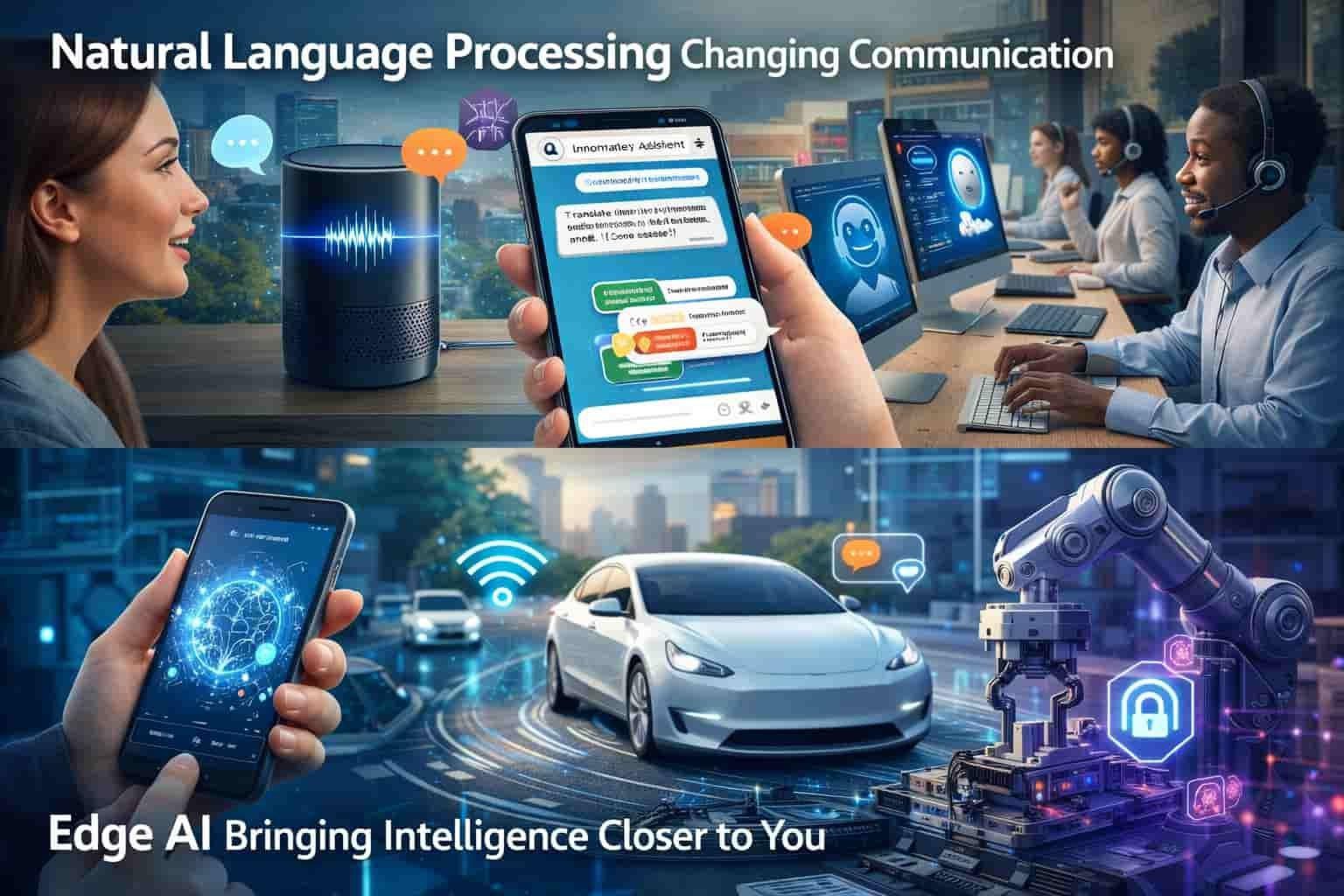 Edge AI Is Bringing Intelligence Closer to You
Typically, cloud computing is the foundation for most AI systems; however, there has been a recent subtle revolution in Artificial Intelligence: edge – or localized – AI. Here, data processing occurs on the devices (computers, phones, etc.) as opposed to across multiple locations on the internet.
Why should you care? For two reasons: speed and privacy. When your cell phone, or computer, processes voice commands locally, you receive a faster response, and the device sends the least amount of data over the internet possible. Also, reducing the amount of time required for data to travel (latency) and protecting your data (security) come with the advent of edge AI.
Edge AI will be increasingly significant for use in areas where just a few milliseconds can make or break a transaction, such as autonomous vehicles and/or assembly line machinery. Engaging in localized AI allows technology to react quicker and with more reliability.
AI in Education Is Personalising Learning
In school we attended a class that had taught all students the same lesson. With new A.I. technological advances, this will change. Now through Adaptive Learning systems, the way students learn will be analyzed and then tailored to their individual needs.
When a student is not able to grasp the concept, the system will provide additional time spent working on that problem; if the student grasps a lesson quickly, the system will allow them to move onto the next topic. The result of these technological advances will be a personalized educational path that will evolve based on each student’s own speed and style.
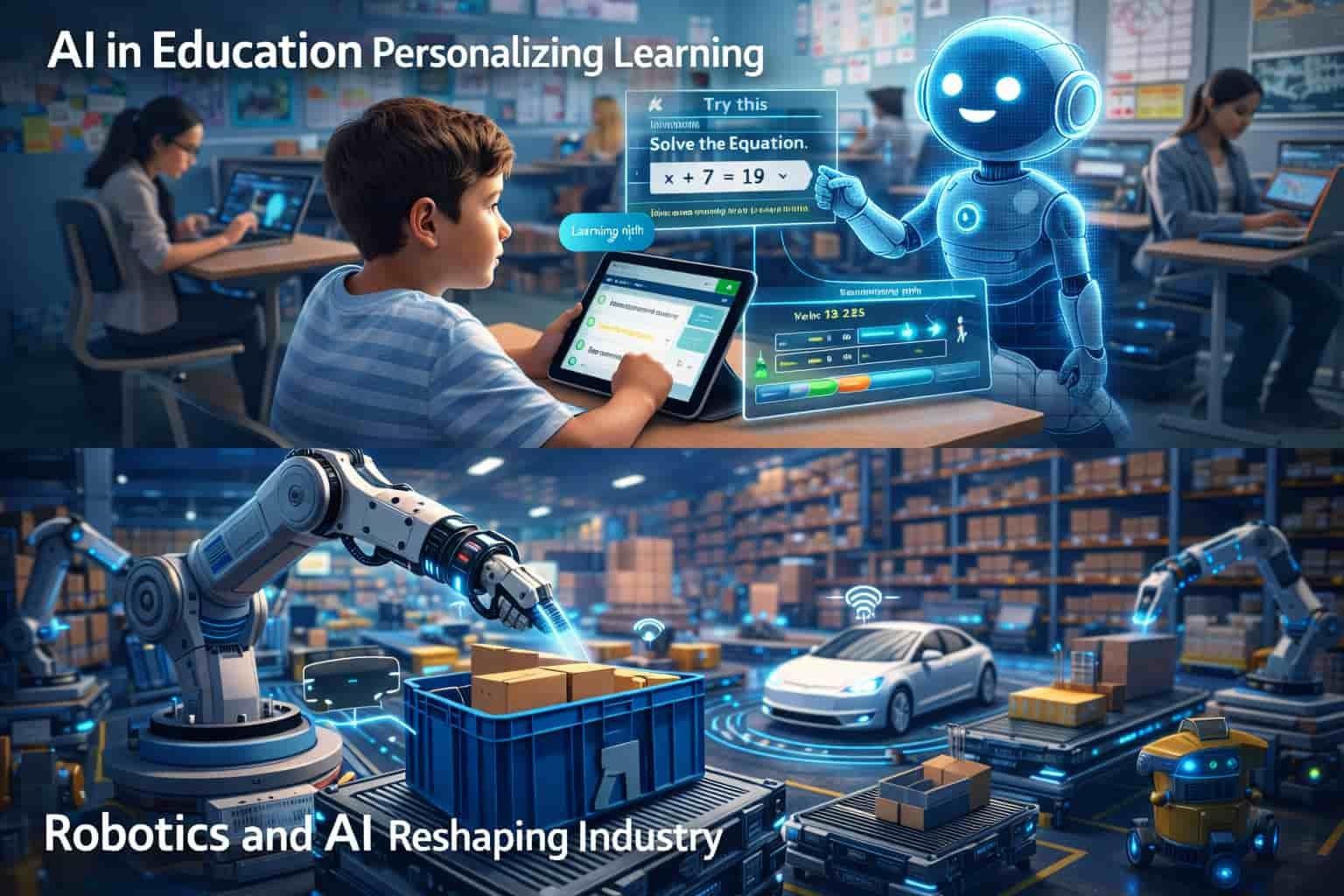 As a result, to educators, they will have a more informed and complete view of how their students are succeeding in the educational process; while for students they will experience less frustration and be more engaged in the learning process. As remote education continues to grow, we expect these A.I. innovations in education will have a much larger effect on the way we learn.
Robotics and AI Are Reshaping Industry
The enhancement of factory and warehouse technology through artificial intelligence breakthroughs in robotics has resulted in the implementation of intelligent robotic systems to automatically sort packaged shipments, build items and co-operate with staff members.
However, it’s not merely speed that is changing but also introducing reliable and reliable measures of high-quality and excellent performance, and providing dirty products with greater capacity for reliable and steady operation 24 hours a day, 7 days a week, with an average precision level at 95% or higher.
As a customer, your financial and operational cost savings will occur as a result of AI robotics, while you as an employee will also see your work responsibilities change from performing manual tasks to ensuring, maintaining, and managing systems on a daily basis. Additionally, there will be many new opportunities that will become available as well.
Predictive Analytics Is Driving Smarter Decisions
Historically, businesses would use many reports to create their plans. With innovations in AI/ML predictive analytics today, companies can use predictive data to forecast both trends and behaviour with a high degree of accuracy.
This means that retailers can predict demand; banks can more accurately predict credit risk; and marketers can use predictive data to create more tailored campaigns based on the behaviour of likely customers. These breakthroughs enable raw data to yield actionable insight.
So, you may experience more relevant recommendations, excellent customer service and faster approval. Behind the scenes, predictive systems are being used to analyse patterns in order to allow businesses to make smarter, faster decisions.
Ethical AI and Governance Are Taking Centre Stage
The advancement of technology has created obligations that must be met with due diligence by governing bodies. The majority of advancements in the field of AI have occurred through advances in legal, ethical and social frameworks rather than through advancements in algorithms. There are many legitimate concerns regarding AI technologies, such as bias, privacy, and employment disruption, and a growing number of developers and policy makers are working to develop an AI system that uses transparent and fair algorithms. These types of advancements are focused on “explainable” AI, meaning that customers can view the logic and reasoning behind an AI’s decisions and can validate the accuracy of these decisions through auditing.
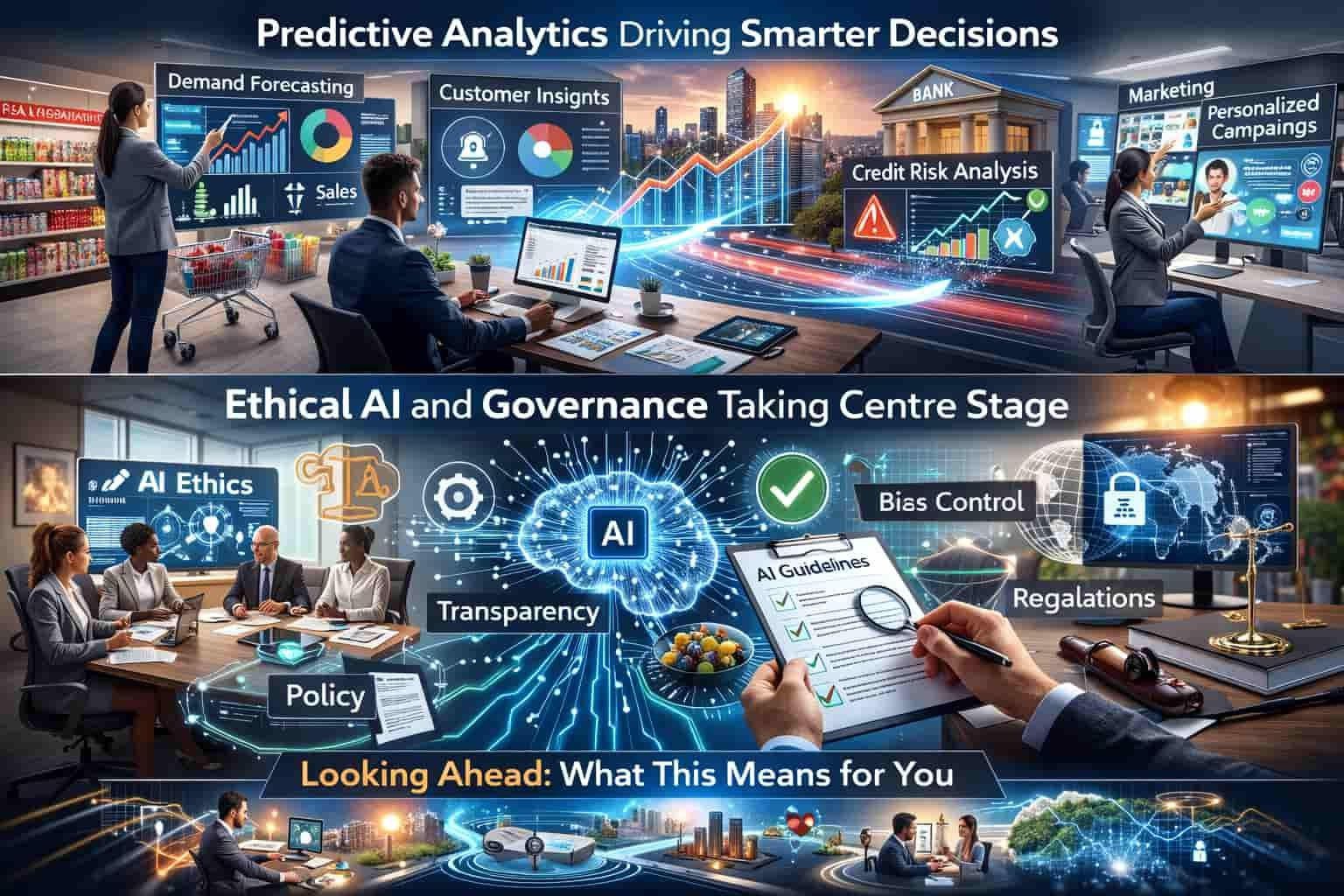 This directly impacts every customer of the technology in question. Every customer should expect to have technologies that are held accountable and free from bias. It is vital to ensure that AI will not move ahead of its ethical obligations in delivering products and services. It is equally important that the future of technology is predicated on not only the level of ability of AI, but also on the attention to responsible deployment of those technologies.
Looking Ahead: What This Means for You
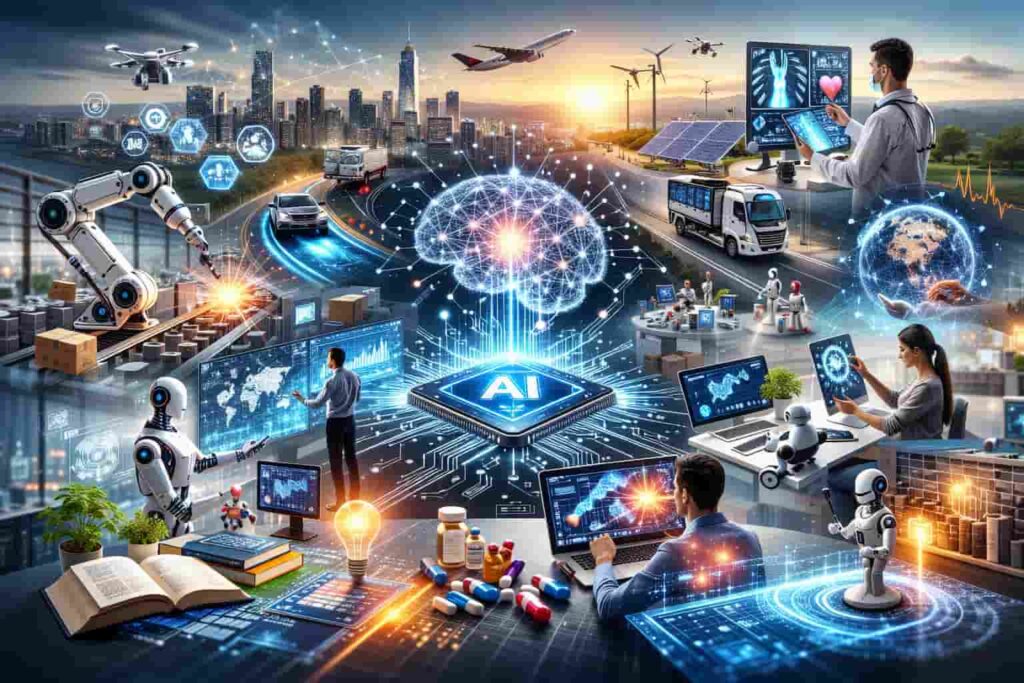
The unifying element throughout all AI breakthroughs is interconnection/interweaving. AI is no longer a standalone industry; it is expanding into virtually all industries from health care to transportation, education, and cybersecurity.
You do not need to become a machine learning expert to remain relevant; however, you do need to have some level of awareness to be able to adapt because understanding these AI breakthroughs gives insight into how to learn new skills, adopt new tools or just keep up with current events.
Author: AI Learner Tech
AI Learner Tech is a premier research and educational hub dedicated to mastering Artificial Intelligence, Machine Learning, and Computer Vision. We bridge the gap between complex academic theories and real-world industrial applications. Join our community to access high-quality tutorials, open-source projects, and expert insights. Website: ailearner.tech