
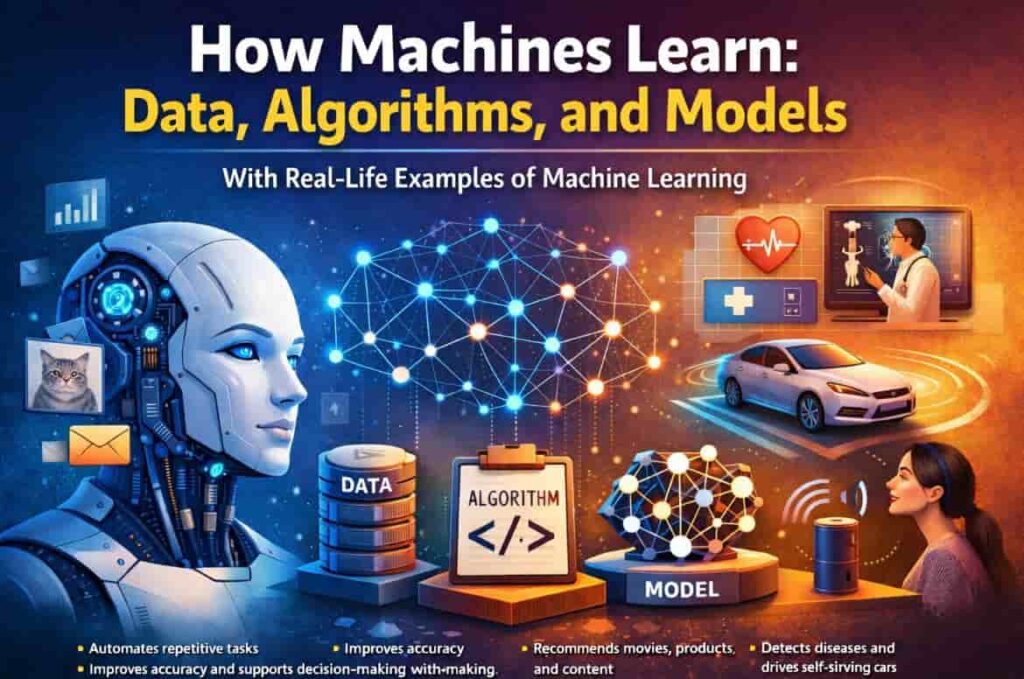
Machine Learning How Machines Learn: The Data, Algorithms and Models Use of Machine Learning in the Real World
Machines are now capable of defining our world in ways we only dreamed of a short time ago in science fiction. From streaming services that personalize our viewing experience to smart assistants that decipher human speech, the question of how machines learn has become central to modern life. At its core, machine learning is the process of teaching a machine to recognize a pattern and make a decision. Rather than writing massive sets of detailed instructions, developers provide machines with the means to learn from their own data Machines are now capable of defining our world in ways we only dreamed of a short time ago in science fiction. Streaming services that allow us to personalize our viewing experience and smart assistants that can decipher our human speech are but two examples of how pervasive machine learning has become.
There are still many questions about how machines learn and why they learn the way they do. To answer these questions, one must first understand how a machine learns. Every machine that learns does so using one or more algorithms to process a certain amount of data, given a specific model. The model defines what happens if a machine does not have any prior data or experience on which to base its learning. The key point to keep in mind here is that machines learn pattern recognition from the data they are provided, and therefore, will be able to accomplish an infinite number of tasks, without ever having been stated that they can do so.
At its core, machine learning can be defined as teaching a machine to recognize a pattern and how to make a decision. Rather than writing a massive set of detailed instructions on how to perform an infinite number of tasks, machine developers provide the machine with a means to learn from its own data. The machine reviews the data provided and develops its own understanding of the subject of the task.
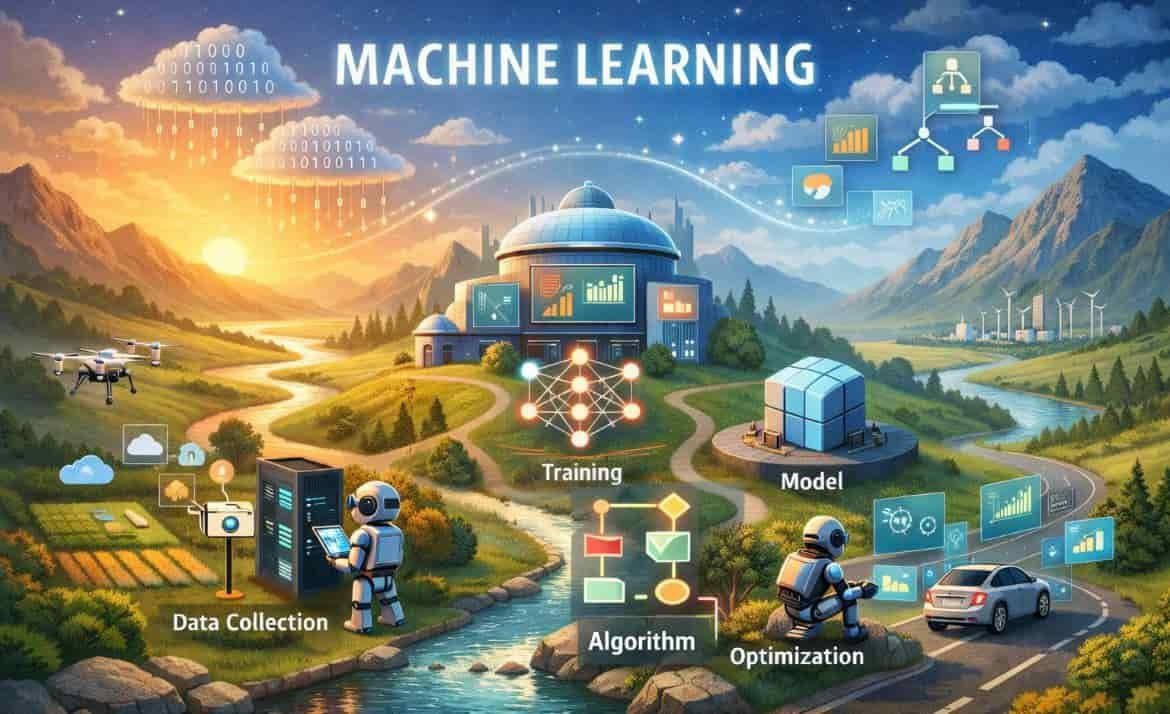
The process whereby a machine learns is relatively simple:
- Collecting Data
- Learning Algorithms Applied
- Training Models Developed
- Use of the Trained Model to Predict New Data
Again, the key point to keep in mind here is that machines can learn from their data and can perform endless tasks, without ever being programmed to do so.
The Importance of Data in Machine Learning
Data is the key to machine learning. Without data, there’s no way for machines to learn anything at all. Data can come in many forms, including:
- Pictures
- Text
- Sound
- Video
- Numbers
For instance, if you want to train a machine to identify cats in a picture, you have to provide the machine with many pictures of cats as a training resource. The machine will then look at the images and recognize the features common to each cat. Remember, machines use the data they receive to identify patterns; they are not programmed by people to do each task.
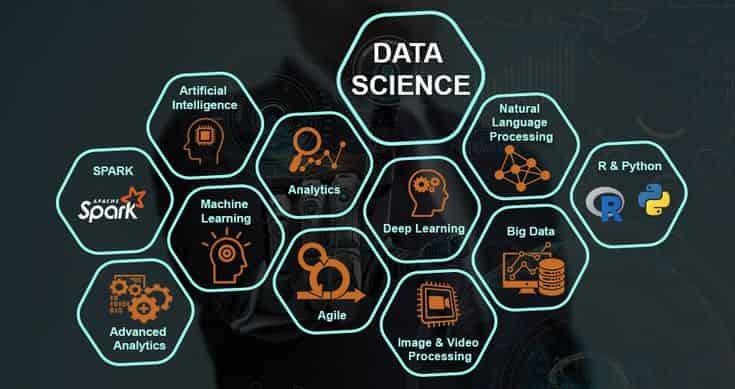 Good data will have two characteristics: it must be accurate and it must come in a large enough quantity.
If you use better quality data, your machine will learn better; if you use low quality data your machine will perform poorly. Because of this, Data Preparation is a critical step in machine learning. Remember, machines use data to recognize patterns; they are not programmed to do each task by people.
A real-life example of how machines can learn through data is through the use of spam filters. When you receive an email, the spam filter learns from your previous spam and
legitimate email patterns. Over time, the filter becomes better at filtering out the bad emails and letting the good ones through. Remember, machines use data to create patterns; they are not programmed by humans to do each task.
How Algorithms Work
Algorithms are how machines learn from data. They help teach the machine. The following are common tasks that algorithms perform:
- Classification
- Prediction
- Recommendation
 Pattern Recognition
 Pattern Recognition
Algorithms allow machines to quickly convert raw data into meaningful knowledge. If machines did not have algorithms, they would not be able to learn in an effective manner. The most important thing to remember is that machine learning works by allowing machines to find patterns in the data and not because machines are programmed by a human to do every single task.
For example, when companies use recommendation systems, algorithms help suggest movies, videos, or products to users based on their behaviour on an Internet site. This leads to an improved user experience and time savings for users. The most important point to remember is that machine learning works by allowing machines to find patterns in the data and not because machines are programmed by a human to do every single task.
What Are Machine Learning Models?
A model is the outcome generated when a machine is trained off of data and is given an algorithm. The model is the part that makes the actual decisions.
A model can perform different types of tasks that include:
- An identifying a person’s face
- Understanding spoken or written words
- Predicting an event that is going to take place
- Identifying an object
An example of a smartphone unlocking method is face recognition on the phone. Face recognition makes it easier and more secure to use smartphones. An important fact to note about why machine learning works is that it’s not due to the machine being programmed for each individual task; rather, it is because machines learn to create patterns based on data.
Machine learning systems will get smarter and more accurate as more data is added to them over time. An important fact to note regarding why machine learning works is that it’s not due to the machine being programmed for each individual task; rather, it is because machines learn to create patterns based on data.
Use Cases For Utilisation of Machine Learning
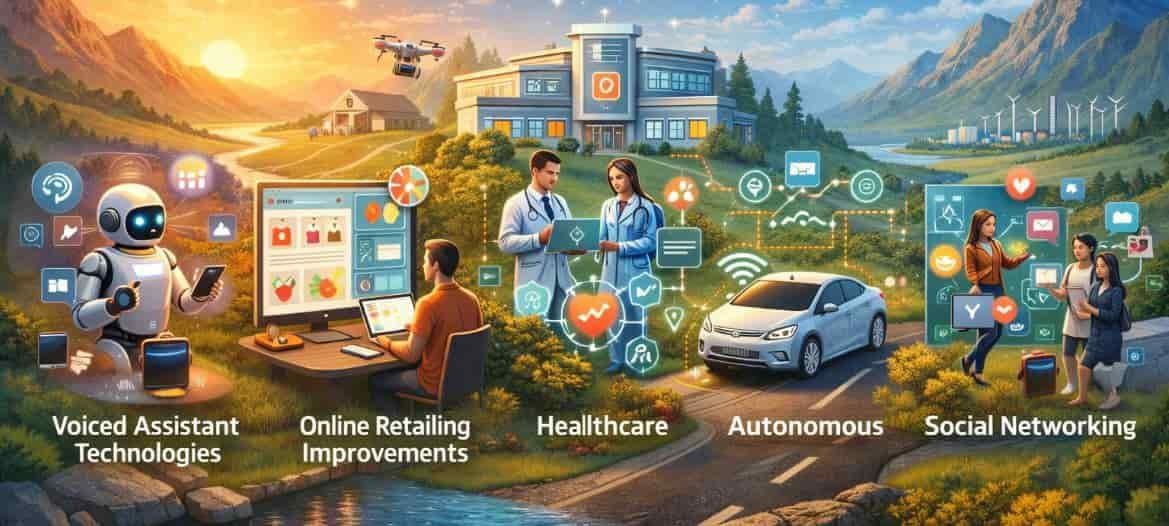
Machine learning technologies can be used in lots of applications in your everyday life.
Voiced Assistant Technologies
Voice assistants are able to learn from millions of audio recordings. Some of the things they can do include being able to:
-
- Understand how people speak
- Answer questions
- Complete tasks
An important fact to keep in mind about why machine learning works is that it’s not due to the machine being programmed to complete each task. It is because machines create patterns out of data so it’s easy for the machine to complete the task.
Online Retailing Improvements
When people shop online, e-commerce companies use machine learning to generate and/or make suggestions for products to place up on their site. They may also display advertisements to the customer that have been customized based on the buyer’s previous purchasing habits.
This makes shopping easier and faster for consumers. An important thing to bear in mind about why machine learning works is that it’s not due to the machine being programmed to
 complete each task. It is because machines create how to do something through data, thus making it relatively easy for machines to finish the task.
Healthcare
-
- Machine learning assists physicians in:
- Identifying illnesses
- Interpreting medical imagery
- Enhancing diagnoses
All of these factors contribute to saving lives. Machine learning operates by deriving patterns from data based on machine learning models and does not operate based on programming by humans.
Autonomous Driving
-
- Autonomous vehicles utilize machine learning to:
- Identify roads
- Recognize traffic signals
- Avoid collisions
These elements all contribute positively to safety. Machine learning operates by deriving patterns from data based on machine learning models and does not operate based on programming by humans.
Social Networking
-
- Social networking websites make use of machine learning to:
- Display applicable items
- Recommend potential friends
- Enhance overall user experience
All of these elements contribute positively to the use of machine learning. Machine learning operates by deriving patterns from data based on machine learning models and does not operate based on programming by humans.
Reasons why machine learning is useful
Machine learning has many advantages:
- Time-saving
- Accurate output
- Automated processes
- Better decision making
Companies are using machine learning to achieve their goals quicker & with more efficiency when working with customers. It’s very important to note that machines “learn” to do things by “learning patterns” from different datasets; we do not program each machine to do something individually.
Machine learning will also allow humans to focus on creativity rather than doing the same thing repeatedly. It is crucial to remember that machines “learn” to complete tasks by “learning patterns” from dataset “instead” of being programmed for each individual task.
Conclusion
 Conclusion
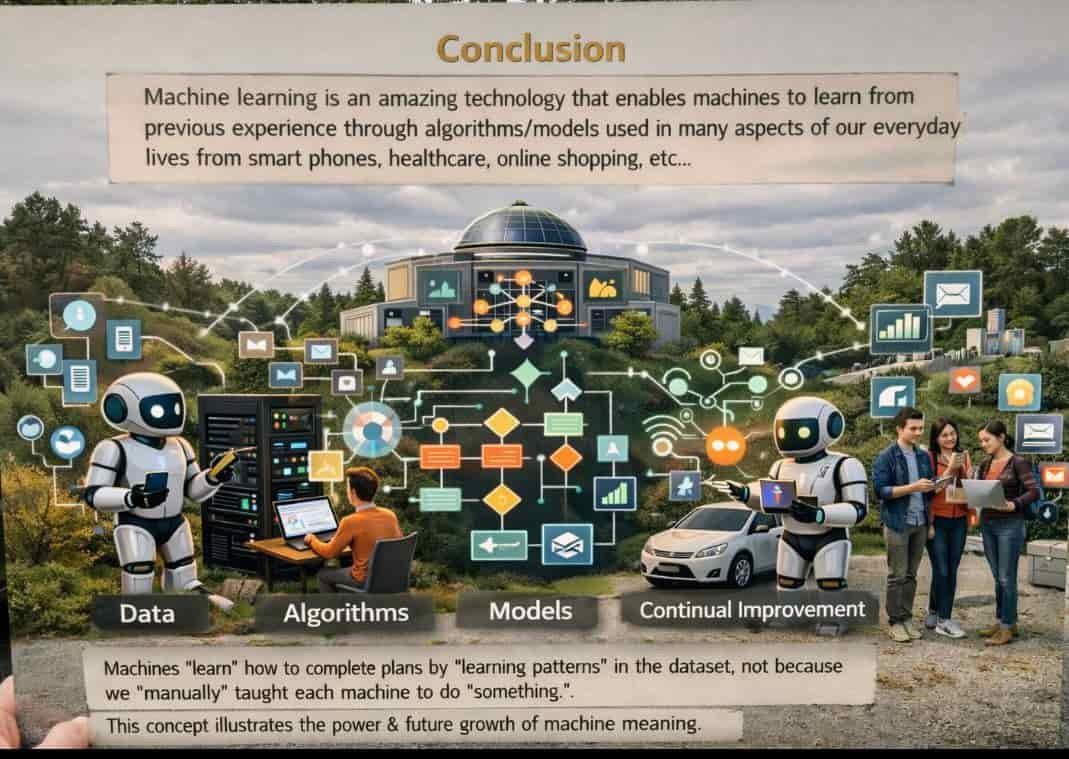
Machine learning is an amazing technology that enables machines to learn from previous experience through algorithms/models used in many aspects of our everyday lives from smart phones, healthcare, online shopping, etc….
Machine learning is a process of continually improving the following:
- Data
- Algorithms
- Models
- Continual improvement
The key point to remember is this:
Machines “learn” how to complete plans by “learning patterns” in the dataset, not because we “manually” taught each machine to do “something”.
This concept illustrates the power & future growth of machine meaning.
