An Introduction to Machine Learning
An Introduction to Machine Learning is a vital step for anyone looking to stay current in the digital age. As a significant and successful component of technology today, machine learning represents a special category within artificial intelligence that allows machines to analyze data and improve performance without direct human input. By evaluating historical data to find patterns, these systems make precise predictions based on previous experiences.
In the context of the current digital age, machine learning represents a significant and extremely successful component of technology today. Therefore, machine learning impacts both the ways companies operate and the way humans interact with technology in many ways. Machine learning can be seen in daily life in everything from the suggestion of an online purchase to fully automated driving vehicles. Consequently, understanding machine learning’s fundamentals is very important for anyone involved in technology-whether an academic, researcher or practitioner-to remain current with developments in future technologies.
What is Machine Learning?
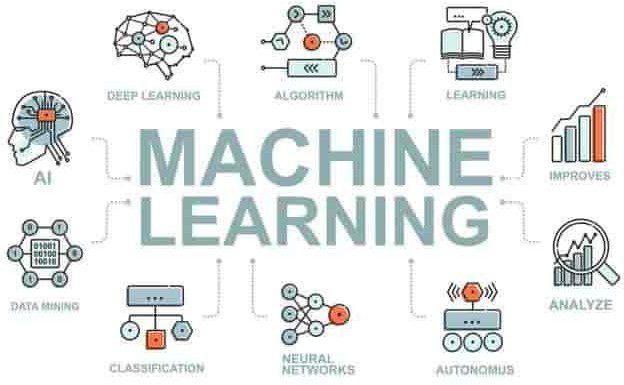
Machine learning is a special category within artificial intelligence that gives machines the ability to analyze the data they receive and then increase their level of performance without requiring the input of human information, as would be found in an established program.
Rather than having fixed instructions, machine learning systems evaluate an existing body of historical data to find patterns and make predictions or choices, based on previous experience. While each time the system processes additional data, its predictions become more precise and efficient; therefore, this is a continual process.
In short, machine learning enables a computer to:
- Learn from previous experiences
- Discover patterns or continuously evolve as a result of increased exposure to a large sample set and to be able to predict and/or to act upon various scenarios automatically
Artificial Intelligence Versus Machine Learning
Though artificial intelligence is on a much broader scale, they are the same at their core, but they do represent two very different concepts. Within artificial intelligence, there are different fields and each one focuses on a specific type of activity that may be referred to as machine intelligence. Machine learning is one area of research within artificial intelligence, which focuses solely on how machines process and utilize data. Thus, while artificial intelligence is a general concept, machine learning is one of the major methodologies that will allow for future artificial intelligence development. To dive deeper into how these technologies differ from deep learning, check out our guide: 3 Levels of AI: AI vs Machine Learning vs Deep Learning Explained in 1 Sentence.
Reasons Why It’s Important to Utilize Machine Learning
Machine Learning is utilized because of the massive amount of digital data that is currently created on the Web each second. All you do is go online, and you create data, and it is impossible to manually analyze all this information with all the activities that occur every day. Therefore, you need to use Machine Learning tools to find and gain valuable information from large amounts of data; and by using Machine Learning tools, companies and individuals can use them for the following purposes:
- The ability to process large amounts of data quickly and easily
- Enhance human effort or reduce any human errors
- Improve accuracy when it comes to making decisions
 Enable automation of tasks that may be highly complicated
 Enable automation of tasks that may be highly complicated
Getting Started with Machine Learning
Machine Learning has three vehicles which are generally used for training purposes with how data is utilized.
Supervised Learning
Supervised Learning is considered to be a machine learning model that is trained on labeled data, thus giving the model the benefit of utilizing the known “right answer” when making its predictions. Therefore, as long as the model uses an accurate representation of the previously correct answer, it will continue to evolve and become more accurate over time through continuous learning. For a more comprehensive look at how these models function with real-world data, read our detailed breakdown: Types of Machine Learning: Supervised, Unsupervised & Reinforcement Learning Explained.
Some of the more common uses or applications of supervised learning include:
- Email spam filtering
- Real Estate Pricing Predictions
- Disease Diagnosis
- Credit Scoring Systems
Learning Approaches
Two distinct types of Learning Approaches exist: unsupervised and reinforcement.
With an Unsupervised Learning Approach, there is no “success” or “failure” based on what has happened with any given sample. However, the machine can produce only one result for each dataset; it does not have any concept of what should happen after producing the first outcome, so the machine relies entirely on statistical measures of how each sample varies from the rest.
This makes this type of Learning Approach very useful for large datasets. Unsupervised Learning can be applied to many different types of datasets, but it is typically used for:
Customer Segmentation Market Trend Analysis Data Clustering Anomaly Detection
Reinforcement Learning
The Reinforcement Learning Approach is much different from Unsupervised Learning. Reinforcement Learning applies to many different types of data, but it is best suited to data that can be defined in terms of an environment that the machine can interact with. You can explore how this technology is specifically making our roads safer in our dedicated post: AI in Self-Driving Cars: Making Road Safety a Reality.
With a Reinforcement Learning Approach, the machine learns by taking actions within the environment and receiving feedback on those actions (in terms of rewards or penalties). The goal of the Reinforcement Learning Approach is for the machine to learn which actions will maximize the total reward over time.
Reinforcement Learning is commonly used for: Game-Playing AI
Robotics
Autonomous Vehicles
Intelligent Recommendation Systems
 An Overview to How a Machine Learns
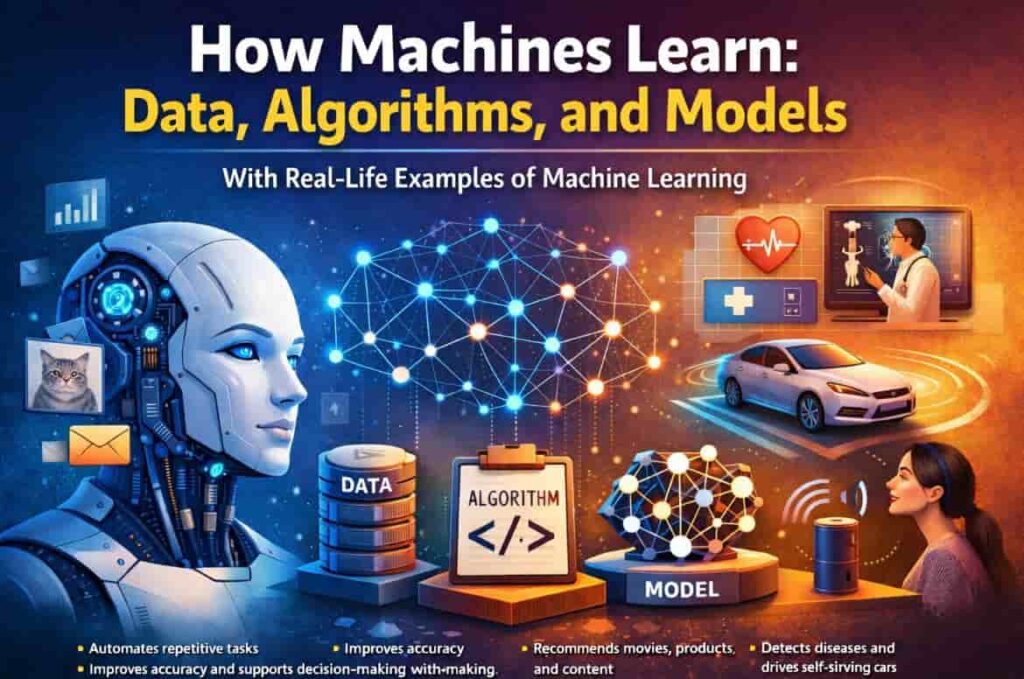
Machine Learning is accomplished through a series of steps to eventually implement it in real life. The data you are using, whether it be training data or testing data, has a very strong impact on how accurate your algorithm will be.
To understand how to accomplish machine learning, you need to have a good understanding of the basic steps you will be carrying out while you are completing a machine learning project:
- Collect data from multiple sources;
- Clean and pre-process data;
- Choose an appropriate algorithm;
- Train your Machine Learning Algorithm;
- Test and evaluate the performance of your algorithm; and
- Implement your algorithm into the real world.
Basic Vocabulary to Understand Machine Learning
In order to be able to describe how to perform machine learning, it is important to have a good understanding of the basic vocabulary associated with machine learning:
- Dataset – The collection of data that is used for training and testing your algorithm.
- Features – The input values you will use for your machine learning algorithm.
- Labels – The value that corresponds to the features you have.
- Machine learning model – The final representation of the algorithm after it has been trained.
- Model accuracy – The measure of how well a model was able to predict unseen instances. Machine Learning Applications
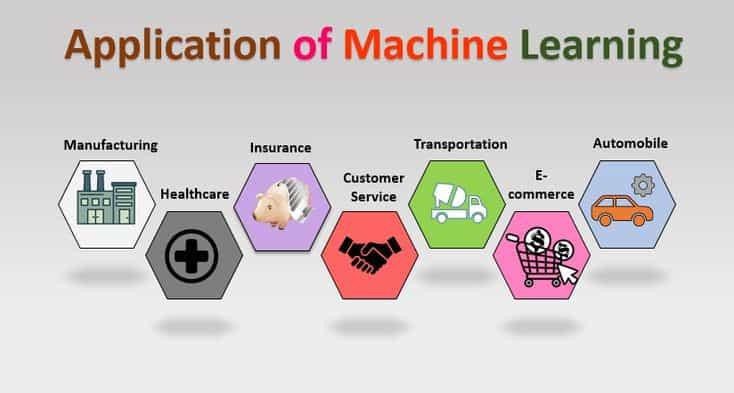
Today, machine learning is prevalent in many fields of modern technology; therefore, machine learning has become vital to companies across different industries. For example, search engines use machine learning techniques to give users relevant results for their searches, while websites like Amazon and Netflix use them to make recommendations for products or movies/’TV shows’. Furthermore, machine learning is being used in healthcare organizations to assist with the diagnosis of diseases and analyzing medical images.
Likewise, banking institutions apply machine learning to detect fraudulent activity and manage risk.
Examples of applications for machine learning include:
- Search Engines
- Recommendation Systems (e.g., Amazon and Netflix)
- Healthcare Diagnostics
- Banking and Finance
- Speech/Voice Recognition and Image Recognition Benefits of Machine Learning
The many advantages of machine learning make it extremely useful in the current fast-paced world. Many tasks that are manually performed can be automated with machine learning; therefore, machine learning increases the speed of work by automating repetitive or mundane jobs. The more data that is collected, the better the performance of the algorithms will become (i.e., machine learning provides a platform for continual improvement).
Examples of the primary benefits of machine learning include:
- Automated Processes
- High Level of Accuracy and Efficiency
- Continuous Improvement via Machine Learning Algorithms
- Support Decisions Based on Facts
Machine Learning Limitations
While machine learning provides many advantages, there are some limitations to its use. Followers of machine learning need large amounts of reliable and relevant data. In addition, errors in the data set or biases in the data used to create models can also contribute to incorrect predictions. Building a machine learning model can also be costly and complex, depending on how you approach it.
Some of the major limitations of machine learning include:
- Large amounts of data are needed.
- High computing costs.
- Bias in the data can lead to model inaccuracies.
- Complex models often are not very transparent.
- Skills Needed to Create and Use Machine Learning
To become an effective user of machine learning, you will need a combination of analytical and technical skills. You must have a good foundation in mathematics and statistics, as well as some programming knowledge. The most commonly used programming language employed in machine learning is Python. It is simple to learn, which makes Python a good choice for those who are new to programming. In addition, Python has various libraries that facilitate the development of machine learning algorithms.
Some essential skills for developing and implementing machine learning include:
- Statistics and mathematics skills.
- Python programming knowledge.
- Understanding data analysis and visualization.
- Understanding various machine learning libraries.
 Understanding various machine learning libraries.
Learning Machine Learning -> Careers in Machine Learning Machine Learning Creates Many Career Paths
Machine learning has created many high-demand career paths for those skilled in the area. Machine learning expertise is highly sought after in many different industries, like technology, healthcare, finance, and research.
Below are the popular careers preparing now for a future of machine learning:
- Engineer – Machine Learning
- Data Scientist
- Researcher – AI
- Analyst – Business Intelligence Machine Learning – What is the Future?
Looking to turn these skills into a career? Follow our Complete Learning AI Roadmap for Students to plan your 12-month journey The future of machine learning looks incredibly positive! As we continue to see rapid advances in AI, deep learning, and automation; machine learning will continue to drive change across many industries and help solve many of the world’s most difficult problems. We expect that the future application areas of machine learning will be even broader than the current list.
Machine Learning Is Not Just The Future, It Is A Core Component Of Today
 Machine learning is no longer a “concept of the future”; it is one of the main technologies of today. To explore the academic history and technical evolution of these systems, you can refer to the comprehensive overview of Machine Learning on Wikipedia. If you want a solid foundation for learning about artificial intelligence and data science, it is important to understand the fundamentals of machine learning. Machine learning offers unlimited potential opportunities in the academic world and in professional careers, provided you keep learning and applying what you have learned in practice.

Author: AI Learner Tech
AI Learner Tech is a premier research and educational hub dedicated to mastering Artificial Intelligence, Machine Learning, and Computer Vision. We bridge the gap between complex academic theories and real-world industrial applications. Join our community to access high-quality tutorials, open-source projects, and expert insights. Website: ailearner.tech